


Leadership Development in Schools: Growing Leaders for Life
Article Summary
Leadership is not reserved for a handful of students with formal titles. This article explores how schools develop leadership through everyday experiences, service, responsibility, and relationships, helping young people build the confidence and character to make a positive impact throughout their lives.
Leadership Starts Long Before a Badge
When people think about leadership at school, they often picture prefects, captains, or students standing in front of an assembly. While these visible positions are important, leadership begins long before a title is awarded.
True leadership develops gradually through everyday experiences that teach young people to take responsibility, serve others, solve problems, and make thoughtful decisions. It is built through character as much as confidence, and through consistent actions rather than moments of recognition.
Schools therefore play an important role in helping students discover not only how to lead others, but also how to lead themselves.
At St Martin's School, leadership is viewed as an ongoing journey. Students are encouraged to develop the values, habits, and interpersonal skills that prepare them to make a positive contribution both within the school community(opens in new tab) and beyond.
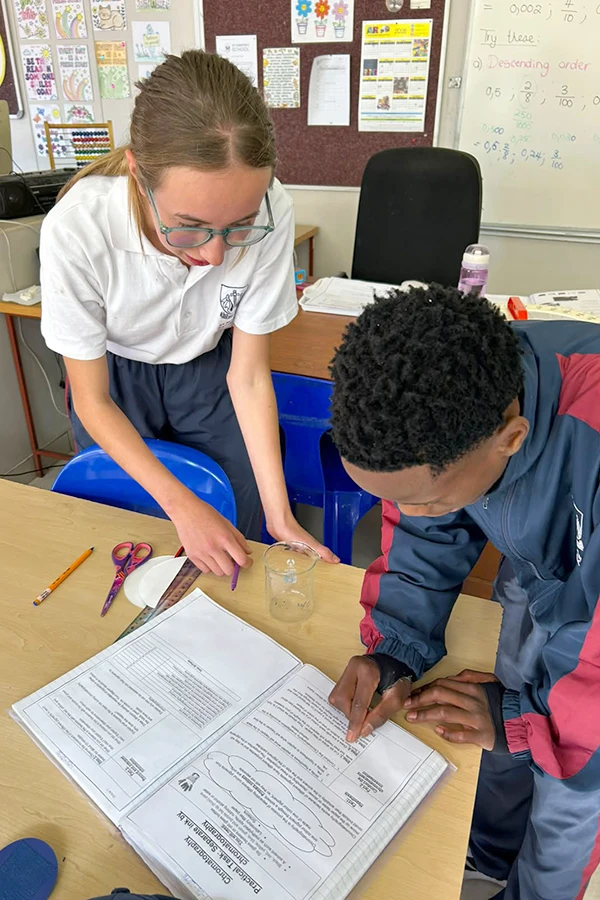
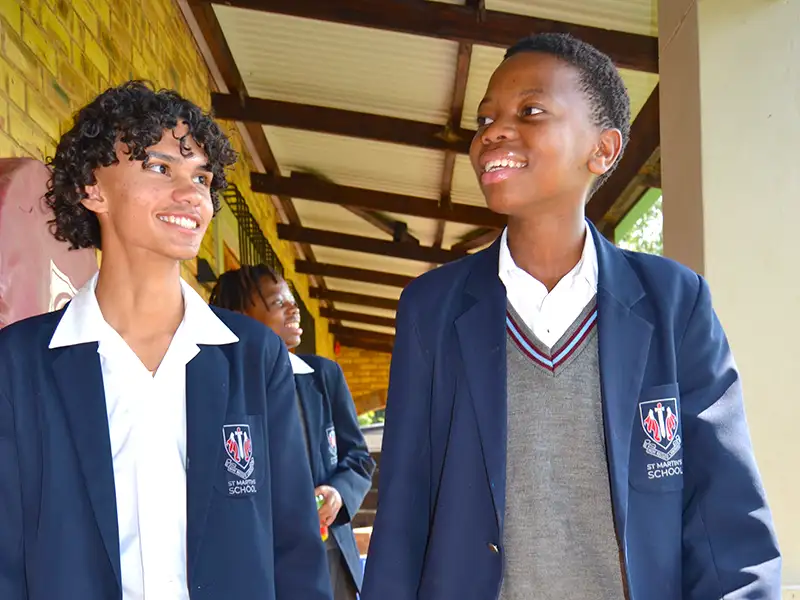
Learning to Lead Through Everyday Experiences
Leadership is not confined to formal positions of responsibility.
It develops whenever students are encouraged to contribute meaningfully to the life of the school. This may involve welcoming a new classmate, taking ownership of a group project, supporting younger students, showing initiative in the classroom(opens in new tab), or demonstrating integrity when faced with difficult decisions.
These seemingly ordinary moments help young people develop qualities that remain valuable throughout their lives.
By encouraging students to think independently, collaborate respectfully, and take responsibility for their actions, schools create an environment where leadership becomes part of everyday learning rather than something reserved for a select few.
Over time, these experiences help students build self-awareness, confidence, and the ability to influence others positively.
Leadership Is Rooted in Service
One of the most valuable lessons young people can learn is that leadership is not about status; it is about service.
The strongest leaders understand that their role is to encourage, support, and create opportunities for others to succeed. They listen carefully, act with empathy, and recognise that leadership often means putting the needs of the wider community before personal recognition.
Schools help cultivate this mindset by creating opportunities for students to contribute beyond themselves. Whether participating in community service initiatives(opens in new tab), mentoring younger students, supporting school events, or representing their peers, students begin to understand that meaningful leadership is grounded in responsibility and compassion.
These experiences help shape individuals who lead with humility and integrity rather than authority alone.
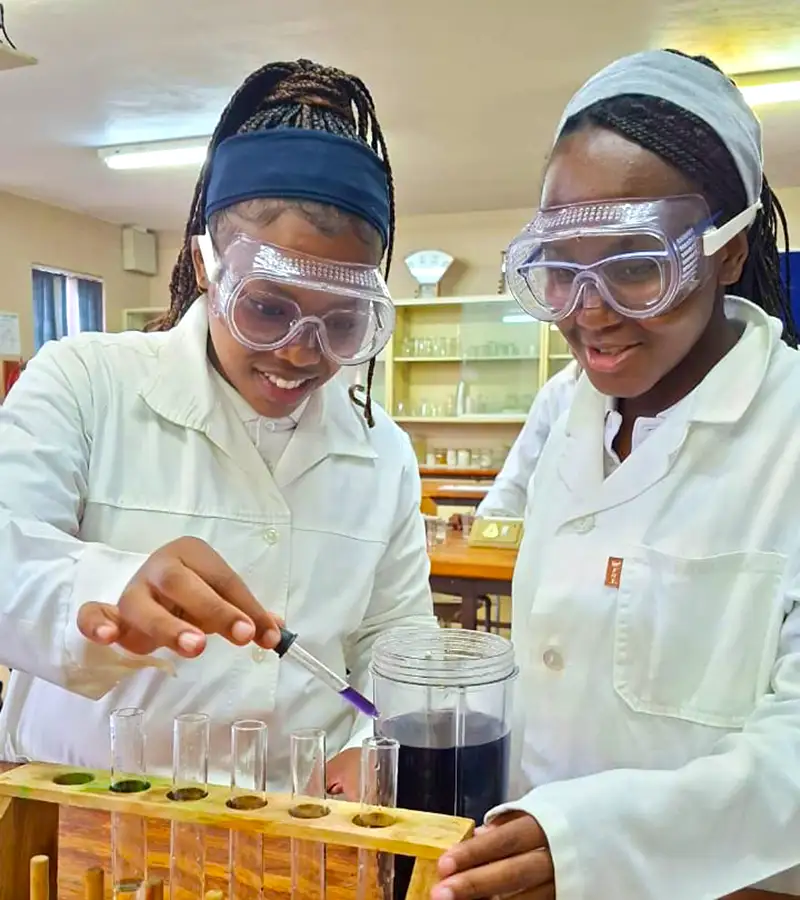
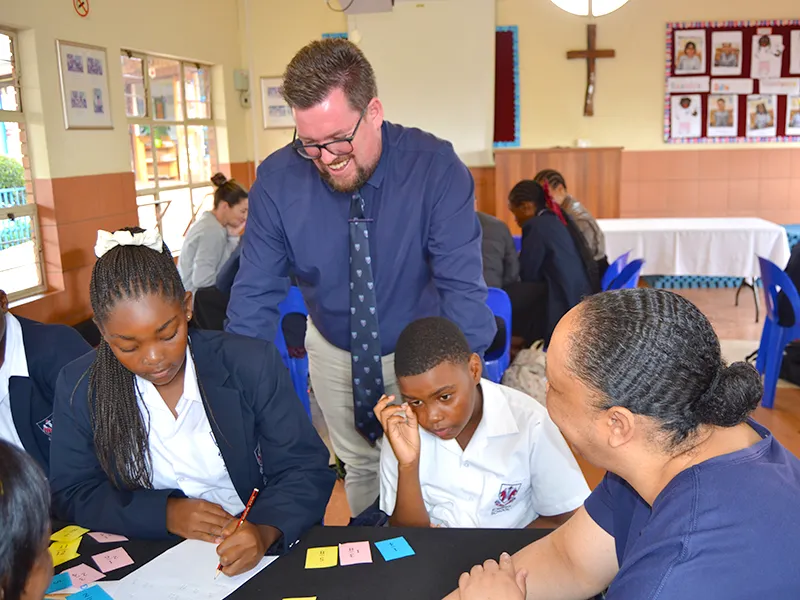
Confidence Grows Through Responsibility
Leadership and confidence develop alongside one another.
As students are trusted with increasing responsibility, they begin to recognise their own capabilities. Taking ownership of a project, speaking in front of a group, organising an activity, or representing the school can feel challenging at first, but each experience contributes to growing self-belief.
Importantly, schools should provide opportunities for students to gradually step into responsibility.
Not every child will be eager to lead publicly, and effective leadership takes many different forms. Some students lead through quiet encouragement, careful organisation, creativity, or thoughtful problem-solving.
When schools recognise and nurture these different strengths, more young people can discover their own leadership potential.
Learning Beyond the Classroom
Some of the most significant leadership lessons occur outside formal academic settings.
School camps encourage resilience, adaptability, and teamwork. Sport(opens in new tab) teaches communication, accountability, and perseverance under pressure. Cultural activities develop creativity, collaboration, and confidence, while service opportunities help students understand the importance of empathy and social responsibility.
Each experience presents opportunities for students to practise decision-making, work alongside others, and navigate unfamiliar situations.
Together, these experiences help prepare young people for future workplaces, universities, and communities where leadership depends on emotional intelligence as much as technical ability.



Developing Leaders at St Martin's
At St Martin's, leadership development is woven throughout the educational experience rather than being limited to senior school positions.
Students are encouraged to develop confidence, integrity, responsibility, and compassion through classroom learning, sport, cultural participation, service initiatives, camps, and everyday interactions within the school community.
As students progress through their school journey, they are given increasing opportunities to contribute, mentor others, and model the values that define the St Martin's community.
(opens in new tab)
The goal is not simply to prepare students for leadership roles at school, but to equip them with the character, judgement, and resilience to make a positive difference wherever life takes them.

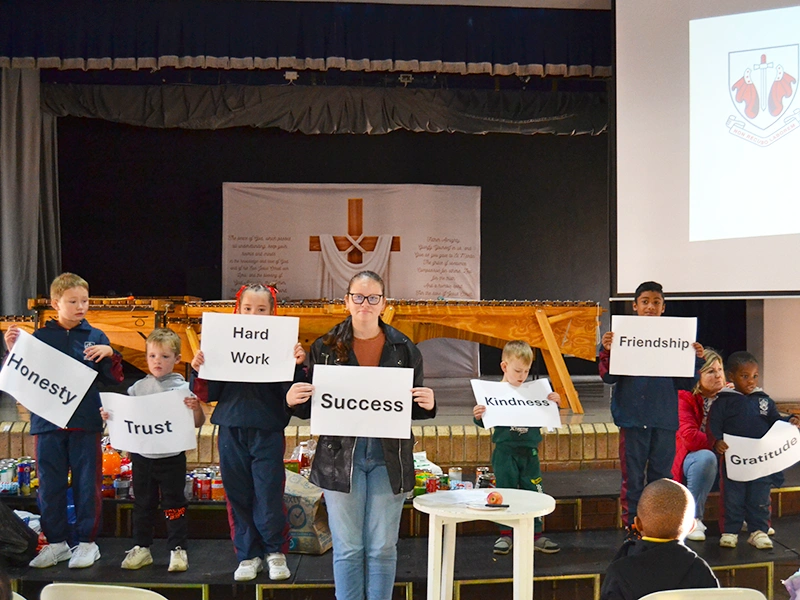
Helping Every Child Discover Their Potential
Leadership looks different in every child.
Some naturally enjoy taking the lead, while others quietly influence those around them through kindness, reliability, or thoughtful decision-making. Both forms of leadership deserve to be recognised and encouraged.
The right school creates an environment where every student has opportunities to develop these qualities through meaningful experiences, supportive relationships, and a strong values-based culture.
For families exploring schools, it is worth asking not only what leadership positions are available, but how leadership is intentionally nurtured throughout a child's educational journey.
Visiting the school(opens in new tab) provides an opportunity to see how students are encouraged to grow in confidence, responsibility, and character every day.
Frequently Asked Questions
Shape your child’s future with St Martin’s School
We invite you to explore the enriching learning environment at St Martin’s School and see firsthand how we support each child’s academic growth, character development and confidence. Whether you are considering your child’s next step or planning ahead, we would love to connect with you and show you what makes St Martin’s distinctive.