


The Value of Values-Based Education in a Fast-Changing World
Article Summary
Values-based education helps young people develop the character and judgement needed to navigate an increasingly complex world. This article explores how integrity, compassion, responsibility, spiritual life and everyday school experiences can give students a strong internal compass alongside academic knowledge.
A Stable Compass in an Uncertain World
The world children are growing up in is changing quickly. Technology is reshaping how we communicate and work. Young people are exposed to more information, more opinions and more choices than generations before them, often from an increasingly young age.
Preparing children for this world requires more than equipping them with knowledge.
Academic ability matters enormously, but young people also need a strong internal compass. They need to know how to make thoughtful decisions, treat others with dignity, respond to disagreement and act with integrity when there is no simple answer.
This is where values-based education becomes increasingly important. Rather than preparing children for one particular version of the future, it helps develop the character and judgement they can carry into whatever future emerges.
Values Are Learned Through Experience
Values are easy to display on a wall. The more important question is whether children experience them in the everyday life of a school.
Qualities such as compassion, responsibility, integrity and respect develop gradually. They are reinforced through the way teachers respond to mistakes, how students are encouraged to treat one another, what happens when conflict arises and the responsibilities young people are trusted to carry.
A values-based education therefore extends far beyond a dedicated lesson or assembly.
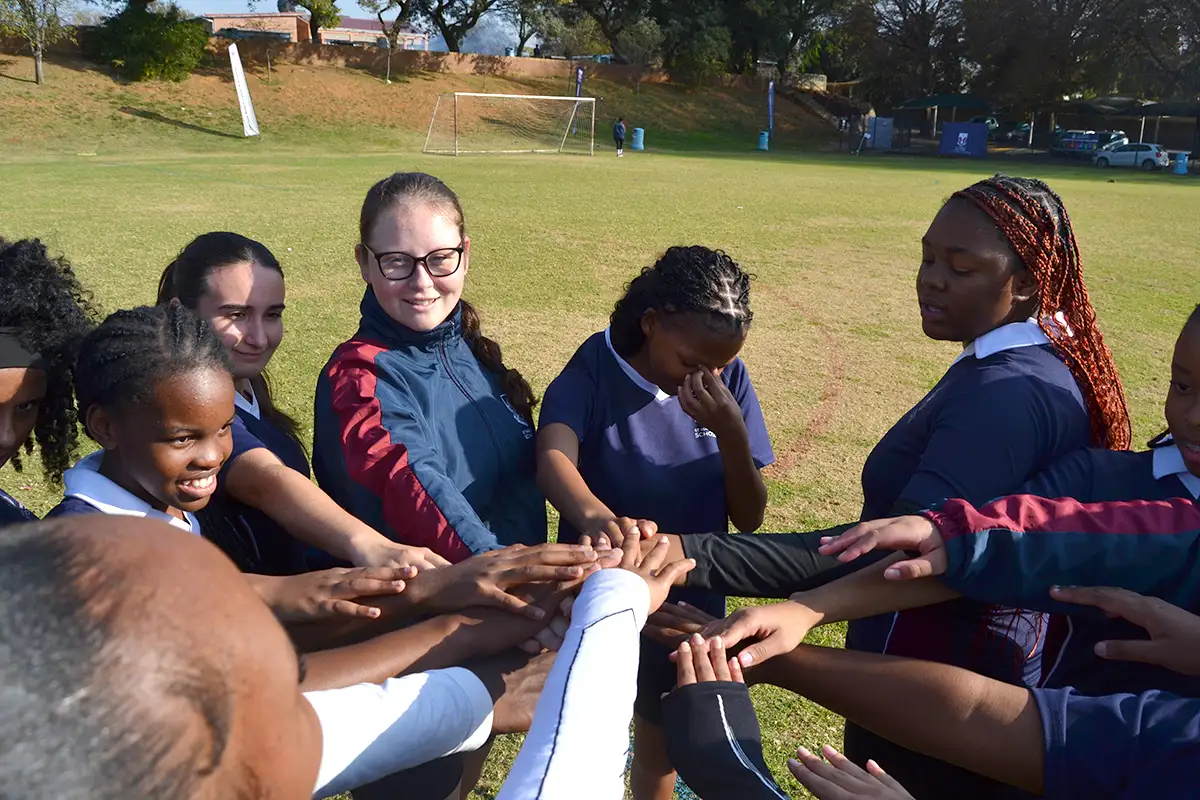
It appears in the classroom when students are expected to listen respectfully to different perspectives. It appears on the sports field when winning matters, but sportsmanship still counts. It appears through service when children begin to understand that their abilities and opportunities can also be used for the benefit of others.
Over time, these experiences help values move from ideas children have heard about to principles that genuinely shape how they behave.
Character Shapes How Knowledge Is Used
Education has always been about preparing young people for the future, but the skills required for that future continue to evolve.
Students will encounter technologies, careers and challenges that schools cannot entirely predict. They will have access to extraordinary amounts of information, but information alone does not teach someone what is fair, responsible or wise.
Knowledge gives young people capability. Character helps determine how that capability is used.
A child who learns to think critically but also understands empathy can consider how a decision affects others. A student who develops confidence alongside humility can contribute without needing to dominate. Someone who values integrity is more likely to make responsible decisions even when those decisions are inconvenient.
These qualities are difficult to measure on a report, but they remain central to the kind of adults young people eventually become.


Values Create Belonging Without Requiring Sameness
A strong values-driven community does not mean everyone must think, behave or believe in exactly the same way.
In fact, values such as dignity, respect and compassion become particularly important when people encounter difference.
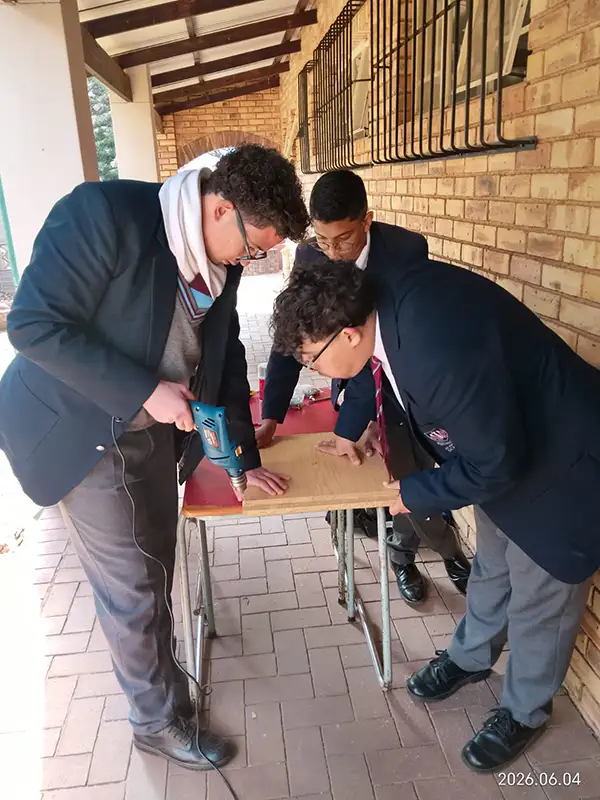
Schools bring together children from different families, personalities, backgrounds and experiences. Learning to participate in that community helps young people understand that belonging does not depend on being identical to those around them.
They learn to listen, disagree respectfully, take responsibility for their actions and recognise the worth of others.
This matters in school, but it also prepares students for universities, workplaces and communities where their ability to work alongside people with different perspectives will be essential.
Why Spiritual Life Still Matters
For many families, education is not only concerned with what a child achieves but also with who that child is becoming.
Spiritual life can create space for reflection in an otherwise busy and achievement-focused world. It encourages young people to consider questions of purpose, responsibility, gratitude and service that do not always have academic answers.
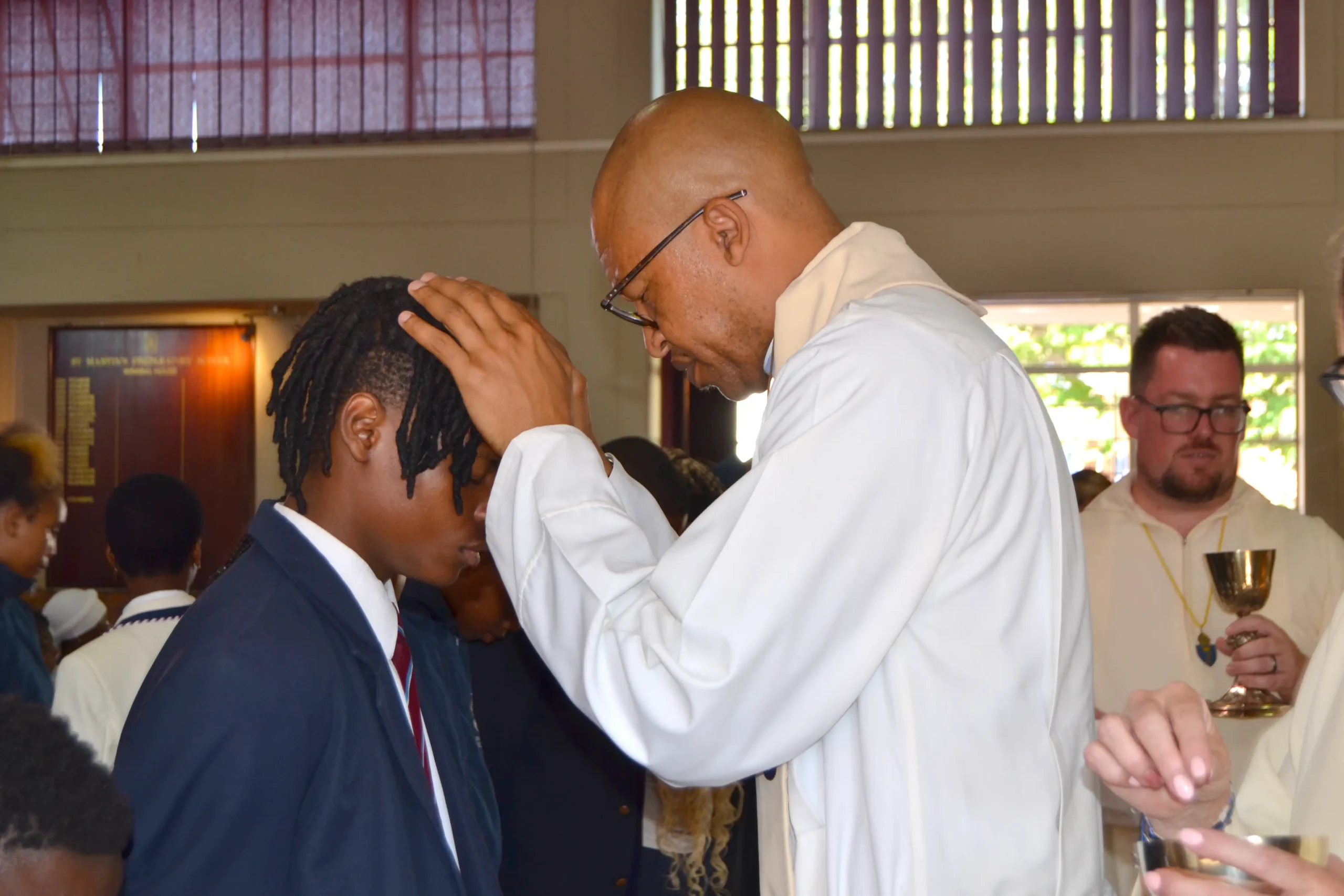
At St Martin’s, the school’s Anglican ethos(opens in new tab) sits alongside a commitment to inclusion, social responsibility and respect. Values are reinforced through spiritual life, community service(opens in new tab) and the wider educational experience, helping students connect personal growth with responsibility towards others.
The purpose is not simply to teach children what to think. It is to encourage them to think carefully about what they stand for and how those principles should influence the way they live.

What Values-Based Education Looks Like at St Martin’s
At St Martin’s, values are understood as part of the broader educational experience(opens in new tab) rather than something separate from academic life.
The school’s emphasis on Christian values, community, service and social responsibility is reflected across classroom learning, sport, cultural participation and relationships within the school community. The aim is to nurture young people who are academically capable, but also compassionate, responsible and able to contribute meaningfully to the world around them.
This approach recognises that success cannot be defined by academic results alone.
Young people also need resilience when things do not go according to plan, integrity when difficult choices arise, empathy in their relationships and the confidence to stand by what they believe is right.
Those qualities are not extras added to an education. They are part of what makes an education valuable.
Choosing a School for the Person Your Child Is Becoming
When families choose a school, it is natural to look at academics, facilities, activities and opportunities. These things matter.
It is equally worthwhile to ask another question: what kind of person is this environment helping my child become?
A school’s values are revealed in everyday interactions. They can be seen in how students speak to one another, how adults respond when a child struggles, how success is celebrated and how responsibility towards the wider community is understood.
In a fast-changing world, children cannot be given a map for every situation they will encounter. What schools can help give them is a compass.
Values are the one part of a school that cannot be assessed from a prospectus. If St Martin’s is on your list, we would suggest arranging a school tour(opens in new tab) and bring the questions that matter most to your family. We would be glad to show you around.


Frequently Asked Questions
Shape your child’s future with St Martin’s School
We invite you to explore the enriching learning environment at St Martin’s School and see firsthand how we support each child’s academic growth, character development and confidence. Whether you are considering your child’s next step or planning ahead, we would love to connect with you and show you what makes St Martin’s distinctive.