


Why Belonging Matters: A Psychosocial Look at School Community
Article Summary
This article explores the psychosocial importance of belonging within a school community. It highlights how relationships, identity formation, pastoral care, and emotional wellbeing contribute to student confidence and educational success.
The Human Need to Belong
A sense of belonging is one of the most fundamental human needs. From an early age, children seek connection, acceptance, and meaningful relationships with those around them.
In educational settings, belonging plays a significant role in shaping how students experience school. It influences wellbeing, confidence, motivation, and engagement with learning. When children feel connected to their environment, they are more likely to participate actively and approach challenges with confidence.
For families, understanding the importance of belonging can provide valuable insight into what helps children thrive both academically and emotionally.


How Belonging Influences Learning
Learning is not purely an intellectual process. It is deeply connected to emotional wellbeing and social experience.
Students who feel secure within their school community are often more willing to ask questions, contribute to discussions, and seek support when needed. They are less likely to fear mistakes because they know they are part of an environment where growth is encouraged.
This sense of psychological safety supports deeper engagement with learning and helps students develop greater resilience when facing challenges.
Strong relationships therefore contribute not only to wellbeing but also to educational outcomes.
Relationships at the Heart of School Life
Belonging is built through relationships.
Positive interactions with teachers, peers, coaches, and mentors help students feel seen and valued. These relationships create trust and reinforce the message that every child matters within the broader school community.
For younger children, belonging often begins through consistent routines and supportive classroom relationships. For older students, it may be strengthened through shared experiences, leadership opportunities, sporting commitments, cultural activities, and service initiatives.
Regardless of age, relationships remain central to the experience of belonging.


Identity, Confidence, and Community
School is one of the primary places where young people develop a sense of identity.
As students engage with different activities, friendships, and responsibilities, they begin to understand their strengths, values, and place within the world around them. A strong community provides a stable environment in which this exploration can occur.
When students feel accepted and valued, confidence often grows naturally. They become more willing to participate, contribute, and express themselves authentically.
This is one of the reasons why belonging and confidence are so closely connected throughout childhood and adolescence.
The Role of Pastoral Care and Support
A strong school community does not happen by accident. It is intentionally cultivated through culture, relationships, and support structures.
Pastoral care plays an important role in this process. By creating systems that support wellbeing, encourage healthy relationships, and provide guidance during challenging periods, schools help ensure that students feel connected and supported.
This is particularly important during times of transition, uncertainty, or personal growth when young people may need additional encouragement and reassurance.


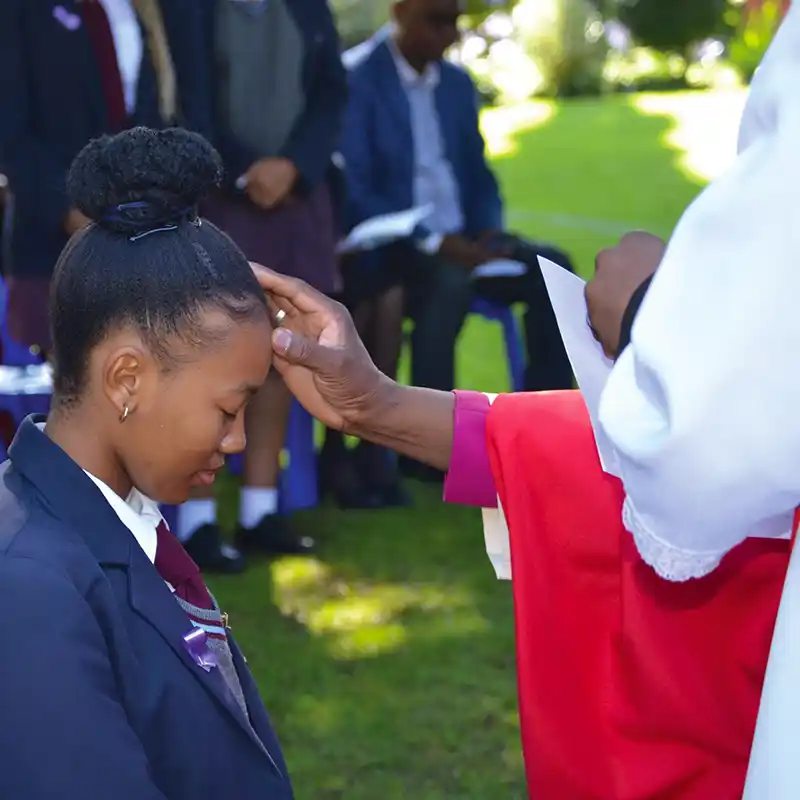
Belonging at St Martin's
At St Martin's, community is viewed as an essential part of education. Academic achievement is important, but it is strengthened when students feel connected to the people and environment around them.
Through strong relationships, shared values, traditions, and meaningful opportunities for participation, students are encouraged to develop a genuine sense of belonging throughout their school journey.
Finding the right school often means finding a community where children can truly belong. To learn more about the culture and values that shape life at St Martin's, we encourage you to arrange a tour and experience our community for yourself.


Frequently Asked Questions
Shape your child’s future with St Martin’s School
We invite you to explore the enriching learning environment at St Martin’s School and see firsthand how we support each child’s academic growth, character development and confidence. Whether you are considering your child’s next step or planning ahead, we would love to connect with you and show you what makes St Martin’s distinctive.