


Why Small Class Sizes Matter More Than Ever
Article Summary
This article explores the benefits of small class sizes and how they support personalised learning, stronger academic feedback and student confidence. It highlights why classroom environment plays a vital role in academic excellence and long-term development.
The Value of Personalised Learning in Today’s Classrooms
Education is not only about curriculum coverage or examination results. It is about how a child experiences learning every day. In a world where schools are often growing larger and classrooms more crowded, the benefits of small class sizes have become increasingly significant for families seeking a personalised and supportive learning environment.
For prospective parents, the question is not simply how many students sit in a classroom. It is how that environment shapes attention, confidence, accountability and academic growth.
Understanding the Benefits of Small Class Sizes
Research consistently highlights the benefits of small class sizes, particularly in formative and examination years. Smaller groups allow teachers to engage more directly with each student, adjust instruction where necessary and identify learning gaps early.
When class sizes are manageable, teaching becomes more relational. Students are not simply part of a cohort. They are known as individuals, with strengths, challenges and learning styles that can be recognised and supported.
This individualised attention often leads to stronger academic outcomes, but just as importantly, it supports emotional security and classroom confidence.
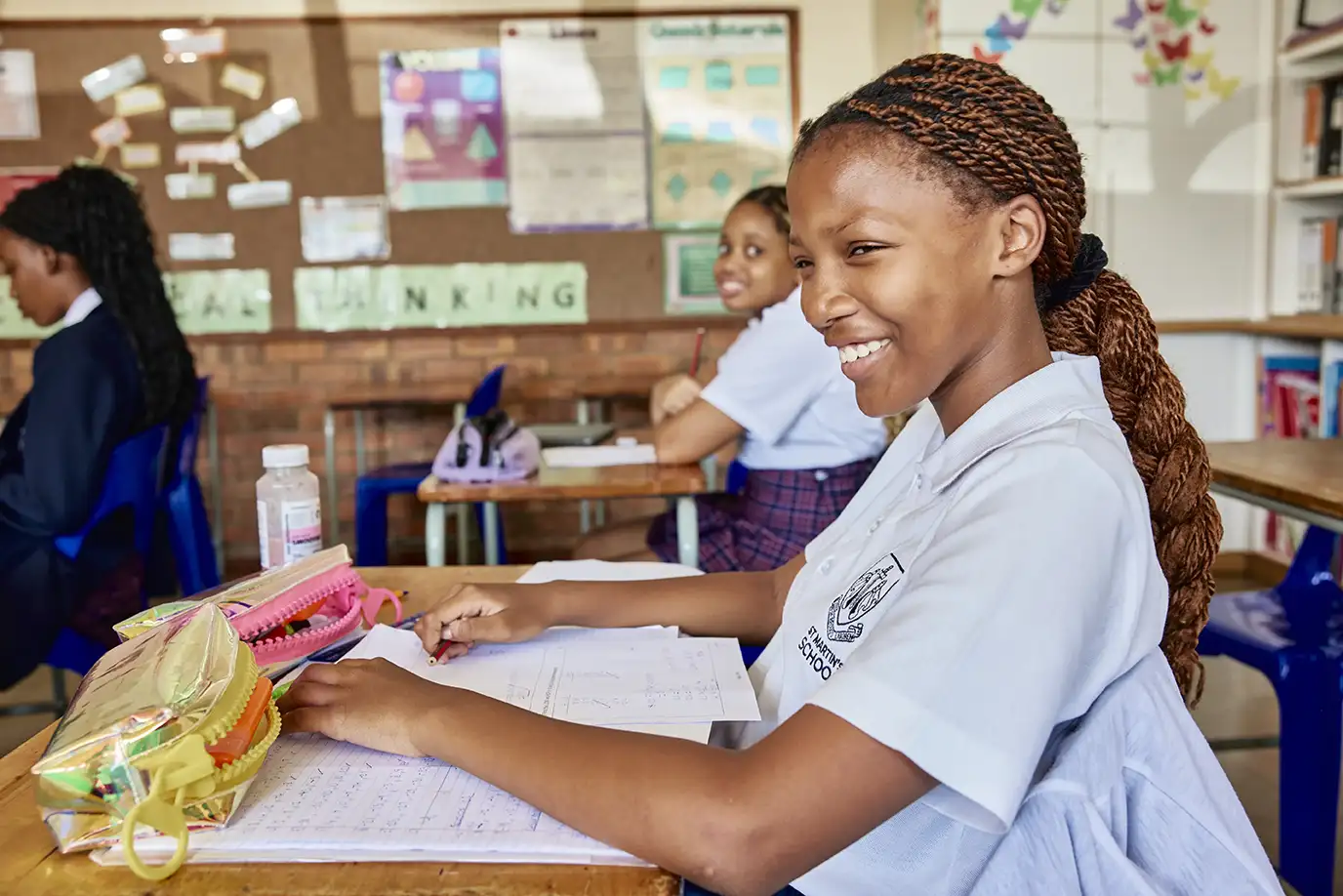




Stronger Academic Support and Differentiation
No two students learn in exactly the same way. Some grasp concepts quickly and need extension. Others benefit from reinforcement and additional explanation.
Smaller classes make differentiation more practical and sustainable. Teachers can adapt pacing, provide extension work or revisit foundational concepts without compromising the progress of the whole group.
In Senior Prep and High School, where subject complexity increases and examination preparation becomes more focused, this level of support is particularly valuable. Students preparing for external examinations benefit from closer academic guidance and more consistent monitoring of performance.
Better Pastoral Knowledge of Each Child
Academic growth does not happen in isolation. A student’s wellbeing, confidence and sense of belonging directly influence their performance.
In smaller class environments, teachers often know their students more deeply. They notice changes in behaviour, mood or engagement. They are able to respond early if support is needed.
This relational awareness strengthens pastoral care and reinforces a sense of being known. For many families, this is as important as academic achievement itself.

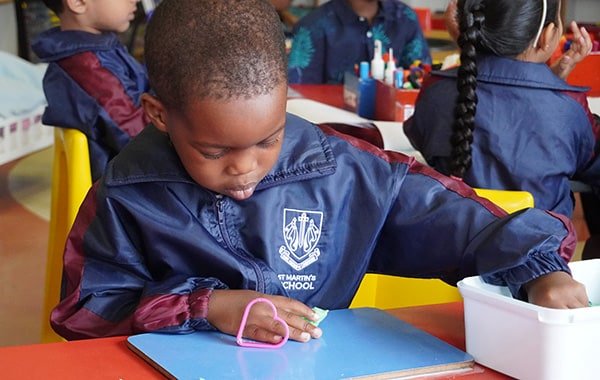
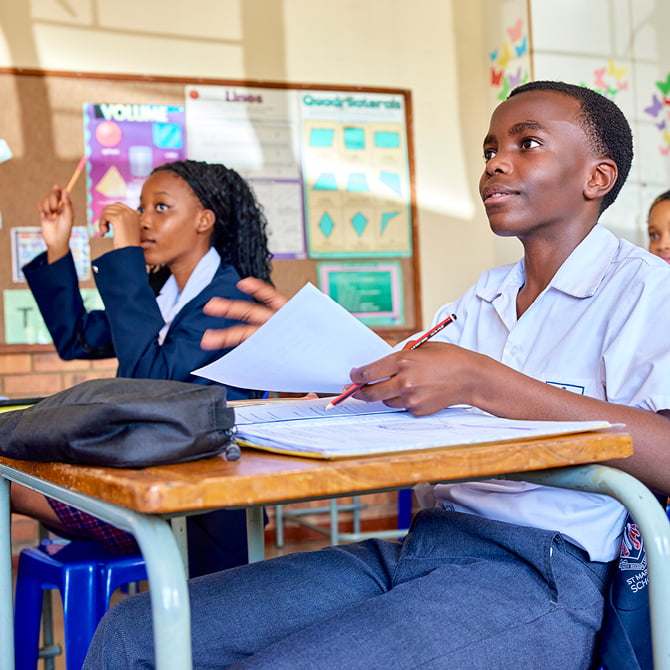
A Personalised Learning Environment at St Martin’s
St Martin’s has long emphasised a personalised approach to education, where students are seen and supported as individuals. Smaller class environments contribute to this ethos by enabling meaningful interaction between teachers and students.
The focus is not on numbers for their own sake. It is on creating conditions where academic excellence and personal growth can develop together. Individual attention, structured support and strong teacher-student relationships form part of the school’s commitment to educational quality.
For prospective families, this means that academic ambition is matched by attentiveness. Students are challenged, but they are also guided.
Why This Matters More Than Ever
Modern education demands adaptability, critical thinking and resilience. Students must engage deeply with content, ask thoughtful questions and take ownership of their learning.
These qualities are more easily nurtured in environments where teachers have the capacity to guide each student intentionally. The benefits of small class sizes are not only academic. They are developmental.
For families exploring private school options in Johannesburg South, it is worth considering how classroom environment shapes both achievement and character. An environment that balances academic rigour with personal attention often provides the strongest foundation for long-term success.
Visiting a school in person remains one of the most valuable ways to understand how learning truly feels on a daily basis. We invite you to experience the St Martin’s environment firsthand and see how personalised attention supports both academic excellence and student confidence.

Frequently Asked Questions
Shape your child’s future with St Martin’s School
We invite you to explore the enriching learning environment at St Martin’s School and see firsthand how we support each child’s academic growth, character development and confidence. Whether you are considering your child’s next step or planning ahead, we would love to connect with you and show you what makes St Martin’s distinctive.