


From Shy to Self-Assured: The Journey of Confidence Formation
Article Summary
This article explores how confidence develops throughout childhood and adolescence. It highlights the role of belonging, challenge, encouragement, and developmental milestones in helping students grow into self-assured young people.
Confidence Is Built, Not Born
Confidence is often mistaken for something a child either has or does not have. Some children appear naturally outgoing and comfortable in social situations, while others take longer to find their voice. In reality, confidence is rarely a fixed personality trait. It is something that develops gradually through experience, encouragement, and a growing belief in one's own abilities.
For parents, it can be difficult to watch a child struggle with uncertainty or self-doubt. Yet these moments often form an important part of the developmental journey. Confidence grows when children are given opportunities to try new things, navigate challenges, and discover that they are capable of more than they initially believed.
At St Martin's, confidence is viewed not as an end goal but as an ongoing process of growth that unfolds throughout a student's school experience.



The Role of Belonging in Confidence Formation
Before children are willing to take risks, ask questions, or step outside their comfort zones, they need to feel safe.
A strong sense of belonging creates the emotional foundation from which confidence can grow. When students feel known, valued, and accepted within their school environment, they are more likely to participate, contribute, and embrace new opportunities.
This is why relationships matter so deeply in education. Positive connections with teachers, peers, coaches, and mentors help students develop the security needed to explore who they are becoming.
Within a supportive school community, children are often willing to attempt things they might otherwise avoid, gradually expanding their confidence through experience.
Learning Through Challenge and Participation
Confidence is not developed by avoiding difficulty. More often, it emerges through engaging with challenge and discovering the ability to overcome it.
A student who performs in a concert, joins a sports team, participates in a leadership initiative, or presents a project to their class may feel nervous beforehand. Yet each experience contributes to a growing sense of competence and self-belief.
Importantly, confidence does not require perfection. Children develop resilience when they learn that mistakes, setbacks, and moments of uncertainty are a normal part of growth.
Through participation in sporting activities, cultural programmes, and academic opportunities, students begin to recognise their strengths while developing the courage to engage with unfamiliar experiences.




The Influence of Rites of Passage and Milestones
Every stage of education presents moments that challenge students to grow.
Transitions between grades, leadership opportunities, camps, performances, examinations, and sporting commitments all serve as developmental milestones. These experiences help young people develop greater independence and a stronger understanding of themselves.
While parents often focus on the outcome of these milestones, the process itself is equally important. Each step forward contributes to a child's growing confidence and ability to navigate future challenges.
Over time, students begin to develop an internal belief that they can adapt, learn, and succeed even when circumstances feel unfamiliar.
The Importance of Encouragement and Support
Confidence develops most effectively when challenge is balanced with support.
Children benefit from adults who encourage effort, recognise growth, and provide reassurance during difficult moments. Consistent encouragement helps young people understand that their value is not dependent on achievement alone.
At school, this support often comes through meaningful teacher-student relationships and a culture that celebrates progress as much as performance. At home, it is reinforced through patient guidance and open communication.
When children know they are supported, they are more likely to approach new experiences with curiosity rather than fear.
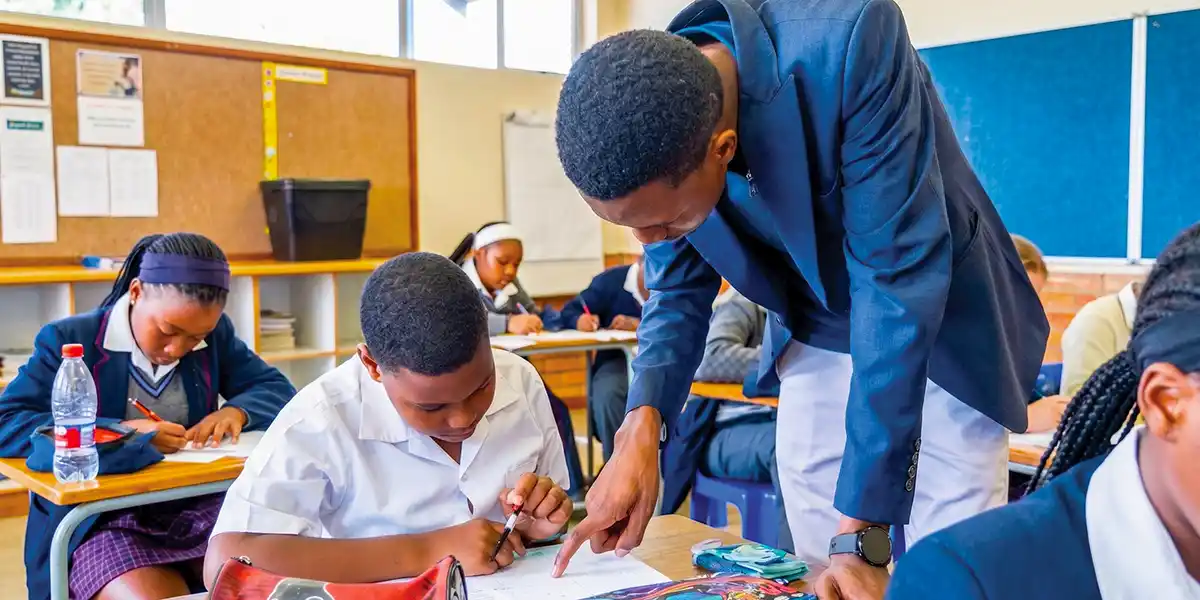



Growing Confident Young People at St Martin's
At St Martin's, confidence formation is woven into the broader educational experience. Academic learning is important, but so too are the opportunities that help students discover their strengths, build relationships, and develop resilience.
Whether through leadership opportunities, classroom participation, sport, cultural activities, or service initiatives, students are encouraged to engage fully in school life and grow in confidence through experience.
If you would like to see how confidence, character, and resilience are nurtured throughout a child's educational journey, we invite you to visit St Martin's and experience our community firsthand. A school tour offers a valuable opportunity to see how young people are supported as they grow into self-assured individuals.
Frequently Asked Questions
Shape your child’s future with St Martin’s School
We invite you to explore the enriching learning environment at St Martin’s School and see firsthand how we support each child’s academic growth, character development and confidence. Whether you are considering your child’s next step or planning ahead, we would love to connect with you and show you what makes St Martin’s distinctive.