


The Power of Routine: Why Structure Helps Children Thrive
Article Summary
This article explores why routine plays such an important role in a child’s emotional wellbeing, independence, and readiness to learn. It offers parent friendly insight into how consistent daily structure supports confidence and stability, while also highlighting the value of partnership between home and school.
Why Routine Matters More Than Many Parents Realise
Family life today can feel busy and unpredictable. Between school schedules, work commitments, co-curricular activities and social responsibilities, it is easy for daily routines to become inconsistent or rushed.
Yet for children, routine plays an important role in emotional wellbeing and development. While adults often see routines as practical tools for managing time, children experience them as something much deeper. Predictable daily rhythms help them feel safe, secure and prepared for what comes next.
When children know what to expect, their world feels more manageable. They are able to approach learning, relationships and challenges with greater confidence because their environment feels stable and supportive.

Structure Creates Emotional Security
Children are still learning how the world works. When daily life feels unpredictable, it can sometimes lead to anxiety, frustration or difficulty concentrating.
Consistent routines help reduce this uncertainty. Simple patterns such as regular bedtimes, structured mornings, predictable homework times and calm evening wind-down periods help children understand the flow of their day.
This sense of predictability provides emotional security. When children feel secure, they are better able to regulate their emotions, focus on learning and engage positively with others.
Routine does not mean rigidity. It simply provides a reliable framework within which children can grow.
Supporting Independence and Responsibility
One of the most valuable benefits of routine is that it helps children develop independence.
When daily expectations are consistent, children begin to take ownership of their responsibilities. They learn what needs to be done before school, when homework should be completed, and how to manage their time between activities and rest.
Over time, these habits build self-discipline and confidence. Instead of constantly needing reminders, children gradually learn to organise themselves and take responsibility for their own routines.
These skills become increasingly important as students move through the different phases of schooling and face greater academic and social demands.




Routine and Academic Readiness
Structure at home also supports learning at school.
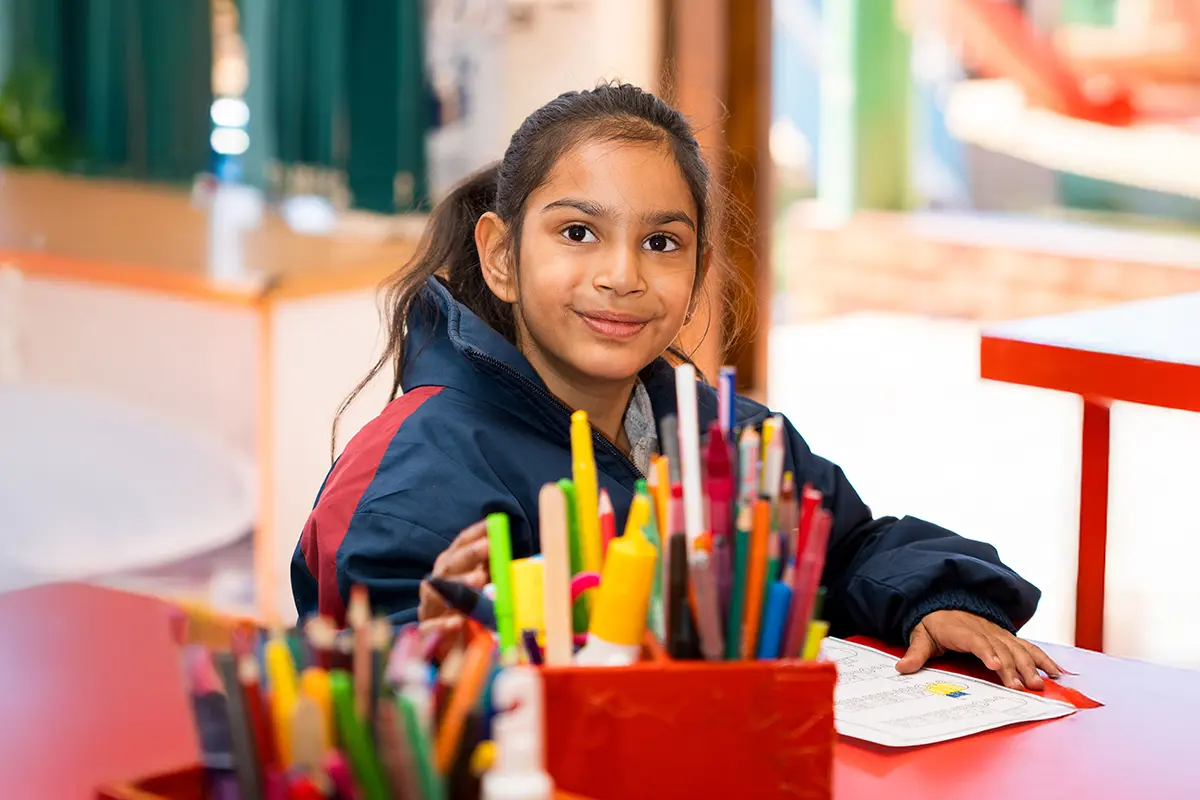
A predictable morning routine helps children arrive at school calm and ready to engage. Consistent homework times allow students to focus without distractions. Regular sleep schedules support concentration, memory and overall wellbeing.
Research consistently shows that children who maintain healthy daily routines are better able to focus in the classroom and approach learning with greater confidence.
When routines are supported both at home and within the school environment, children benefit from a sense of continuity that strengthens their learning experience.
Balancing Structure and Flexibility
While routine is important, it should always allow room for flexibility and family life.
Unexpected events, special occasions and spontaneous moments are part of childhood too. The goal is not to create a rigid timetable but to establish healthy patterns that children can rely on.
Many families find that simple anchor points in the day make the biggest difference. Consistent wake-up times, shared meals, homework routines and bedtime rituals help provide stability even when other parts of the day change.
These small habits often become the foundation for long term wellbeing and resilience.


A Partnership Between School and Home
Children benefit most when the values of structure, responsibility and balance are reinforced both at school and at home.
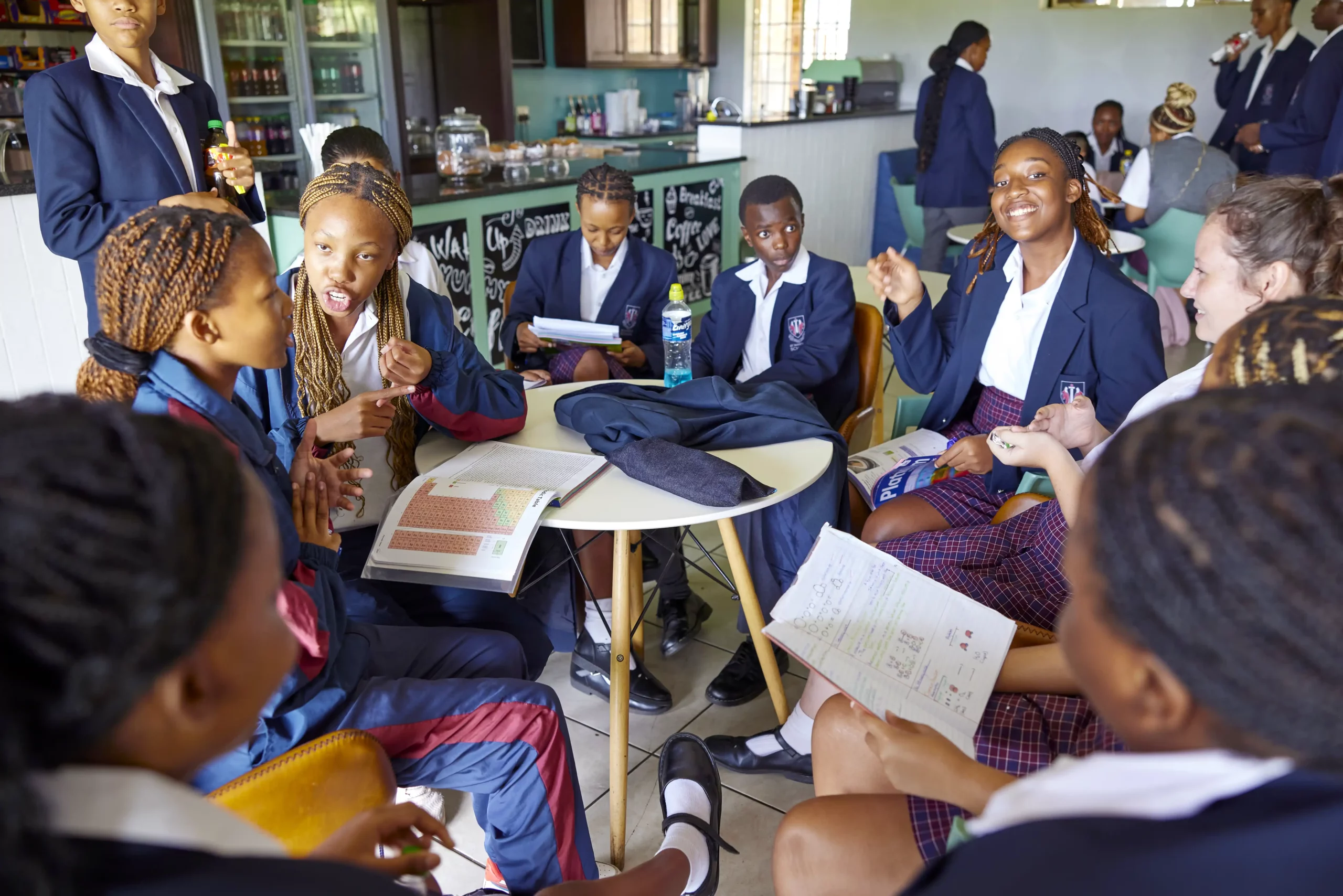
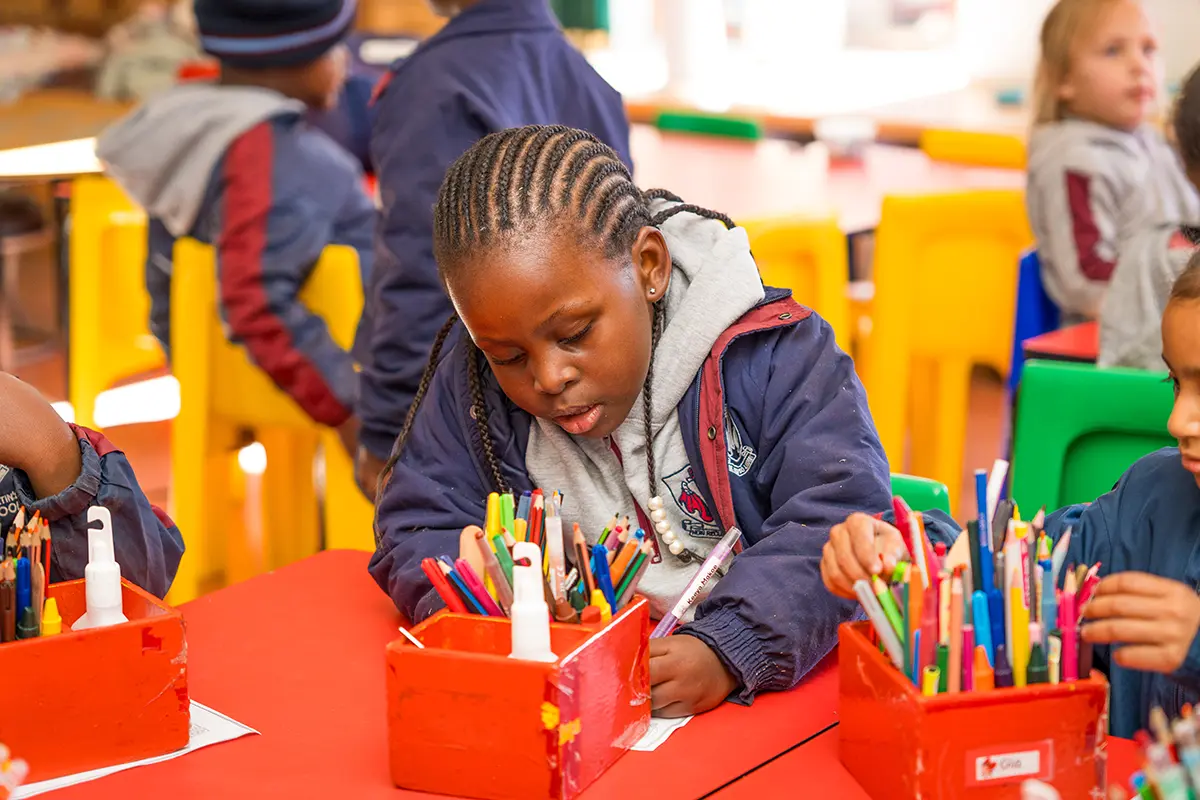
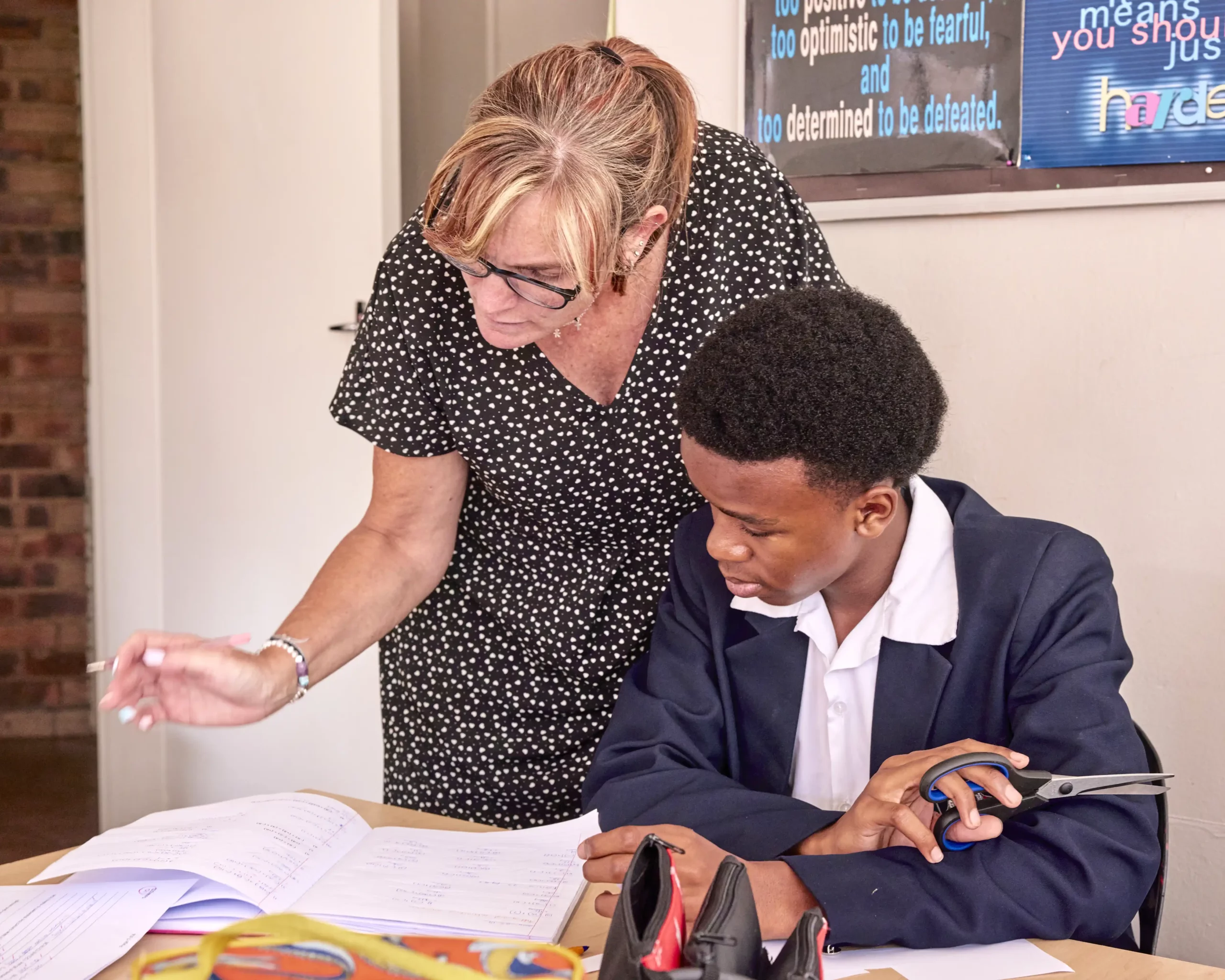
Schools provide a structured learning environment where expectations are clear and routines support academic progress. At home, families help reinforce those patterns through daily habits that support wellbeing and personal growth.
Together, these environments help children develop the confidence, resilience and independence they need to thrive both academically and personally.
Routine may seem simple, but its impact on a child’s development is profound. By creating consistent rhythms in daily life, parents give their children one of the most valuable foundations for success.
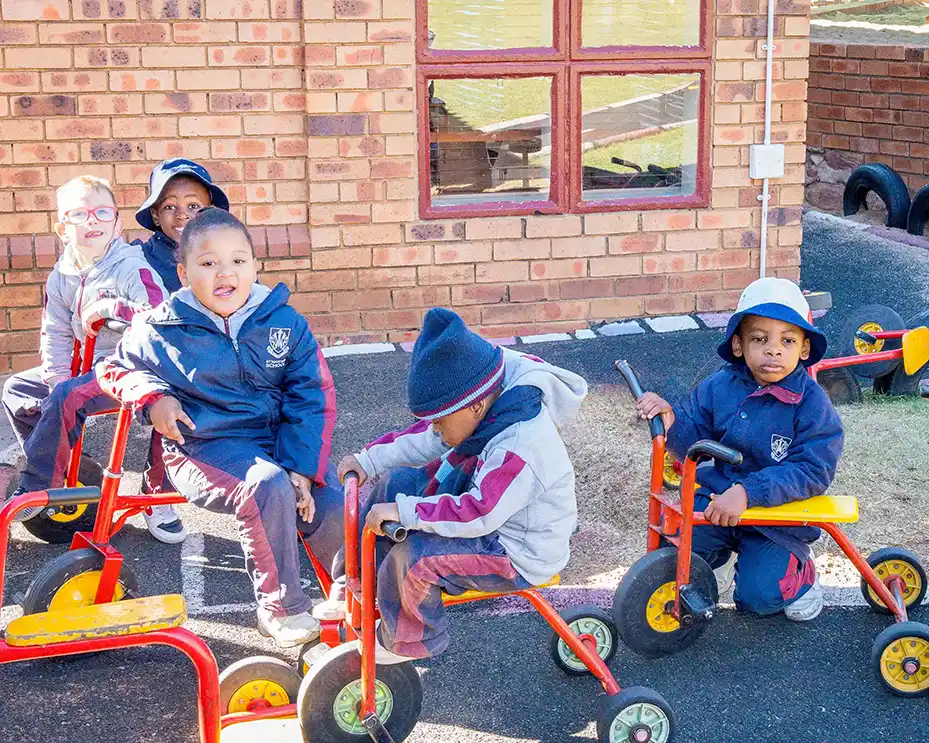
At St Martin’s School, structure and supportive routines form part of a learning environment where children are encouraged to grow in confidence, responsibility and independence. When school and home work together to provide stability and encouragement, children are able to flourish both academically and personally.
Parents who would like to learn more about the learning environment and values at St Martin’s School are welcome to explore our website, connect with our admissions team, or book a tour to experience the school community first-hand.
Frequently Asked Questions
Shape your child’s future with St Martin’s School
We invite you to explore the enriching learning environment at St Martin’s School and see firsthand how we support each child’s academic growth, character development and confidence. Whether you are considering your child’s next step or planning ahead, we would love to connect with you and show you what makes St Martin’s distinctive.