


STEAM Learning in the Prep Years
Article Summary
This article explores the role of STEAM learning in the Prep years and how hands-on, interdisciplinary education supports curiosity, creativity, and critical thinking. It highlights how integrating science, technology, engineering, arts, and mathematics helps young students develop problem-solving skills and build strong academic foundations.
Why STEAM Learning Matters in the Early School Years
Children are naturally curious. They ask questions, explore how things work, and learn through experimentation. The Prep years are an ideal time to nurture this curiosity and help students develop the habits of thinking, problem-solving, and creativity that will support their academic growth.
STEAM learning - which integrates Science, Technology, Engineering, Arts, and Mathematics - provides a powerful framework for this exploration. Rather than approaching subjects in isolation, STEAM encourages students to see connections between ideas and apply their knowledge in practical, hands-on ways.
For Prep School students, this approach makes learning more engaging and meaningful. It transforms the classroom from a place of passive instruction into an environment where curiosity, experimentation, and discovery are actively encouraged.

What STEAM Learning Looks Like in the Prep Classroom
In the Prep years, learning is most effective when it is interactive and experiential. STEAM activities often involve building, designing, testing, and refining ideas.
Students might investigate how structures stand by designing simple bridges, explore basic coding concepts through digital tools, or experiment with materials to understand scientific principles such as balance or movement. These activities combine academic learning with creative exploration.
Importantly, the arts play a central role in this approach. Creativity supports deeper understanding by allowing students to express ideas visually, physically, or through design. When art and creativity are integrated into science and mathematics, students develop a richer and more flexible understanding of concepts.
STEAM learning therefore encourages students not only to find answers, but also to ask better questions.
Developing Problem-Solving and Critical Thinking Skills
One of the most valuable outcomes of STEAM learning is the development of problem-solving skills.
When students are given a challenge - such as designing a structure that can support weight or creating a simple machine - they begin to think critically about how different elements interact. They test ideas, observe results, adjust their approach, and try again.
This process builds resilience and perseverance. Students learn that mistakes are not failures but opportunities to improve their thinking. Over time, they become more confident in approaching unfamiliar problems and exploring solutions independently.
These habits of inquiry and critical thinking extend far beyond the STEAM classroom. They support academic development across all subjects and prepare students for increasingly complex learning in later years.



Encouraging Collaboration and Communication
STEAM projects often involve collaboration, which helps students develop important social and communication skills.
Working in small groups encourages students to share ideas, listen to different perspectives, and combine their strengths to solve problems together. They learn to explain their thinking, justify decisions, and respect the contributions of others.
These collaborative experiences mirror many real-world problem-solving situations where teamwork and communication are essential. For young students, they also strengthen confidence and a sense of belonging within the classroom community.
A Foundation for Future Academic Excellence
While STEAM learning is engaging and creative, it is also academically purposeful. The integration of science, mathematics, technology, and design helps students build strong conceptual understanding.
Concepts such as measurement, pattern recognition, spatial reasoning, and logical thinking are naturally reinforced through hands-on activities. Students begin to see how these ideas apply beyond textbooks and worksheets.
In the Prep years, the goal is not to specialise too early but to build a broad foundation of curiosity, confidence, and intellectual flexibility. When students develop these habits early, they are better prepared to engage with more advanced academic challenges as they move through their school journey.



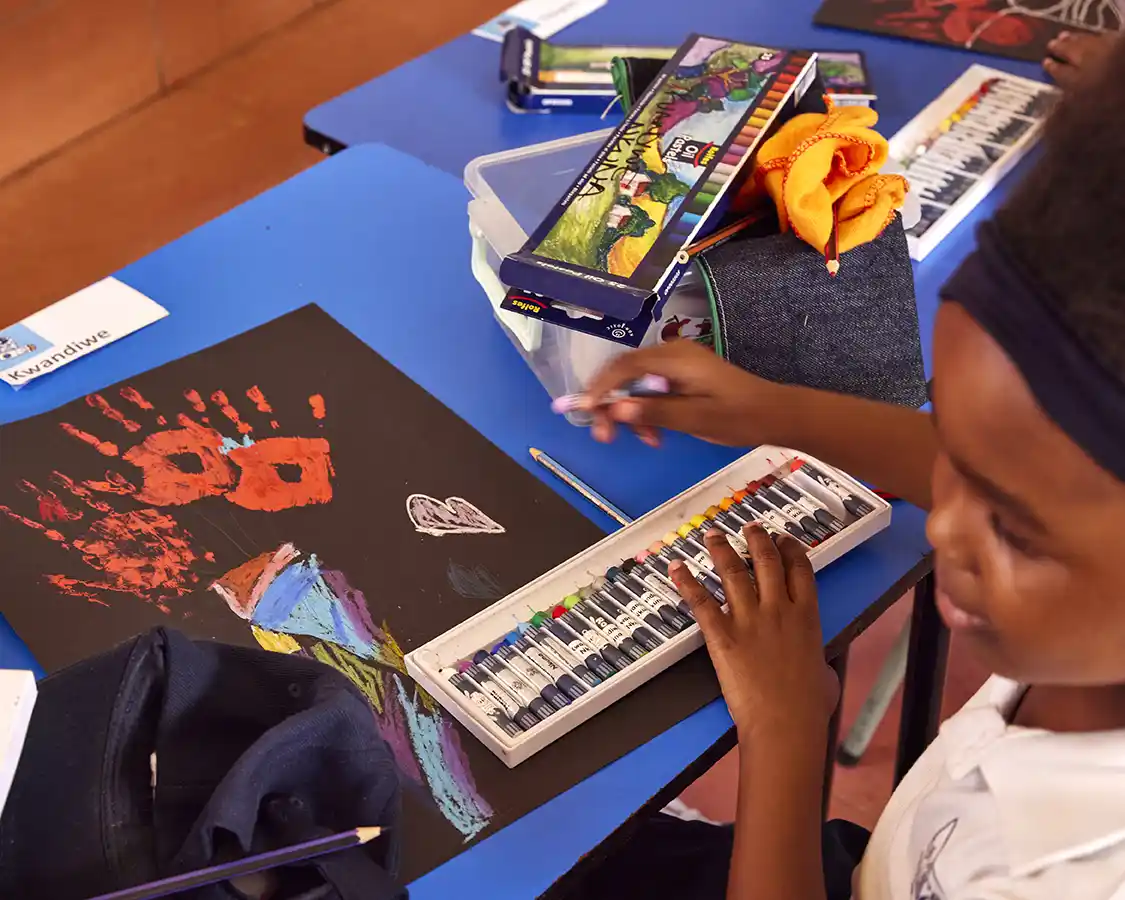
Learning Through Exploration at St Martin’s
At St Martin’s, the Prep School experience is designed to support both academic excellence and the natural curiosity of young students. STEAM learning complements traditional teaching by providing opportunities for exploration, experimentation, and creative thinking.
Teachers guide students through structured activities that encourage investigation while maintaining clear academic goals. This balance ensures that learning remains purposeful while still allowing room for discovery and innovation.
For parents, this approach offers reassurance that students are developing both strong academic foundations and the problem-solving skills required in a rapidly changing world.
Families considering Prep School education often find that visiting the campus and observing learning in action provides valuable insight into how students experience their daily environment. Seeing classrooms where curiosity and creativity are encouraged helps illustrate how academic excellence and hands-on learning can work together.
We invite families to experience the St Martin’s environment firsthand and discover how the Prep School nurtures confident, inquisitive, and capable young students.
Frequently Asked Questions
Shape your child’s future with St Martin’s School
We invite you to explore the enriching learning environment at St Martin’s School and see firsthand how we support each child’s academic growth, character development and confidence. Whether you are considering your child’s next step or planning ahead, we would love to connect with you and show you what makes St Martin’s distinctive.